Consider the seafront as a site of multiple interfaces: land with sea, built with unbuilt, arriving with departing, place for movement with place for pause. Because the seafront is indeed at a front, it is a site where orientation is implied – a space which is perhaps always understood in reference to something else. The seafront offers release to a density that it guards on its inside and conversely becomes the landing point drawing in arrivals from its outside, giving it weight in the shaping of the image of a place. In recognising this potential, we here collect reflections on the process of that image-making, and recognise that the framing of a seafront in any given time or location may reveal the priorities of a specific cultural milieu.
The packaging of the Mediterranean image is a process deeply steeped in a history of movement and exchange1, which has over time sedimented narratives and mythologies of a land and people.These mythologies typically centre on the sea, the endless collections of islands and coastlines harbouring mythical sirens or pirate coves, the fertile lands offering bounties of fig, orange and honey, and of course the heroes, villains and victims of the legends. Toeing the line between factual storytelling and fantasy, historical details are blurred in the verses of The Odyssey or the accounts of Tunisian pirate raiders. Colonisers’ military appraisals of mediterranean territories added significantly to the image of the Mediterranean, interested not in the seductive fantasies of sirens but rather in the quantifiable and extractable mineral and labour value from land and people. In the vein of modernist landscape paintings, the landscape and people portrayed were objectified2 and performed as props in the production of the fantasy of the Mediterranean.
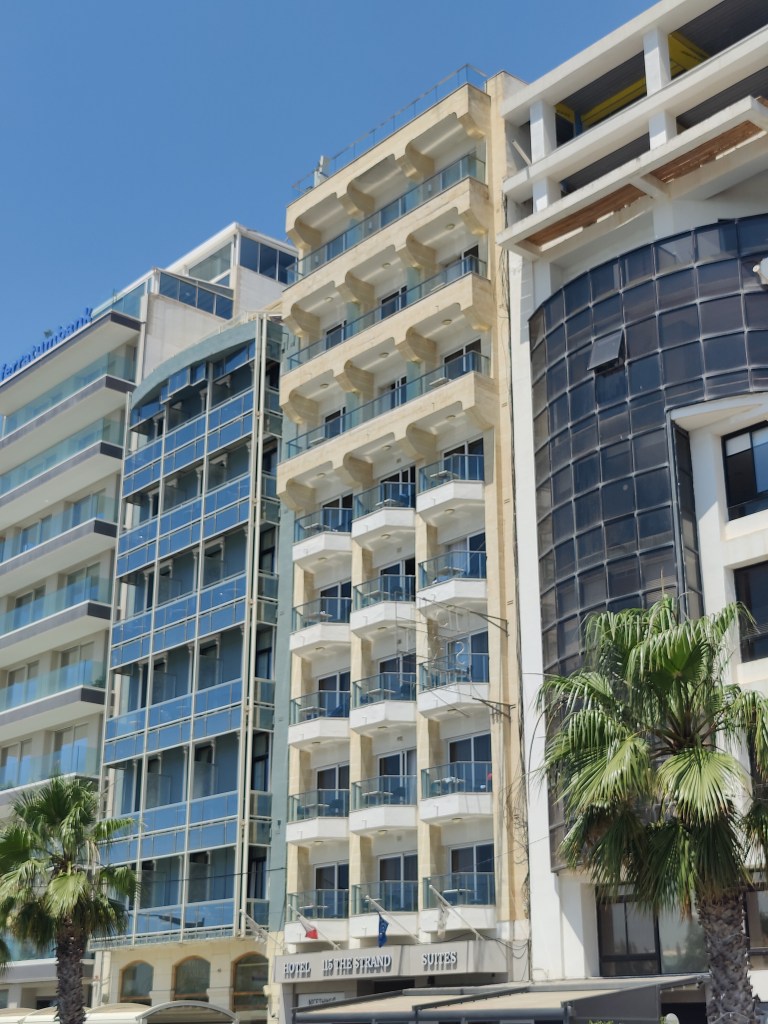
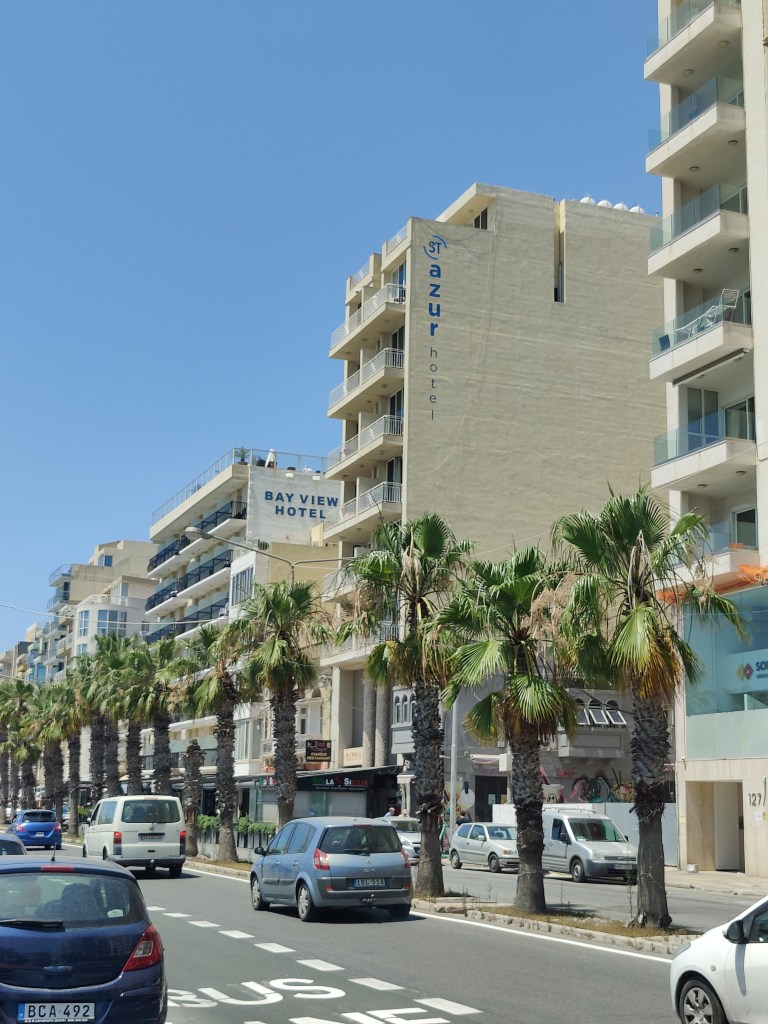
Even after the end of Empire, the image of the Mediterranean continued to be capitalised by a tourism economy positioned to fill the void left by a colonial economy based largely on industry. Governments and the tourism industry mine the exported image (and the land) for its newly framed touristic value, curating campaigns around a sanitised and fabricated idea of the Mediterranean. The image is packaged as a product, capitalising a perceived desirable culture for new ways of generating income: the Mediterranean gem, a Disneyland of sorts to fuel a symbolic economy4. Drunk on the promised prospect of prosperity, real estate and hotels consume the geography once central to the mythology and the image. It is a conceit that lies at the heart of the industry: the more it is consumed, the bigger the lie becomes. Layers of history are willfully re-authoured and curated to conform to the image of an extinct reality and to feed an insatiable appetite for fantasy. The industry ensures detachment from the geological plain as the image replaces the Real.
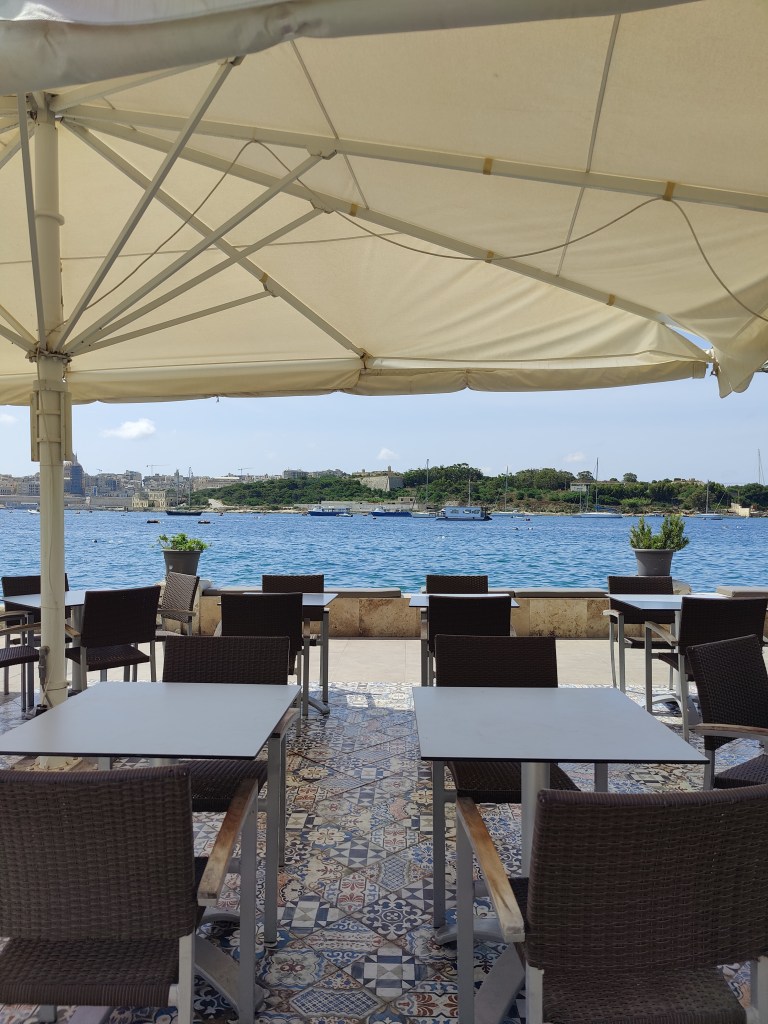
The only reconcilable relationship is one of distanced contemplation: through the floor-to-ceiling glazed openings in an air conditioned room that is undecidedly Carribean-Mediterranean-esque, while the patrons, who are gorging on a breakfast of Norwegian smoked salmon and Brazilian avocados over a New York bagel, call in the concierge to complain about the disappointedly small slice of sea-view, “Where is the Mediterranean that I paid for?”. The hotel room becomes the destination, displacing the actual destinations. It remains the Mediterranean only in name, a second conceit of the tourism economy: the image overtakes the real and reproduces itself in a self-referencing cycle. The geological plain becomes increasingly isolated in a sea of tourist junk and real estate development, exacerbated by the struggle for hotel rooms competing for views or privatisation of tourist sites5. In the end, the Mediterranean is destined to become a sea of hotels with nothing to look at except for the wallpaper of a place long extinct.
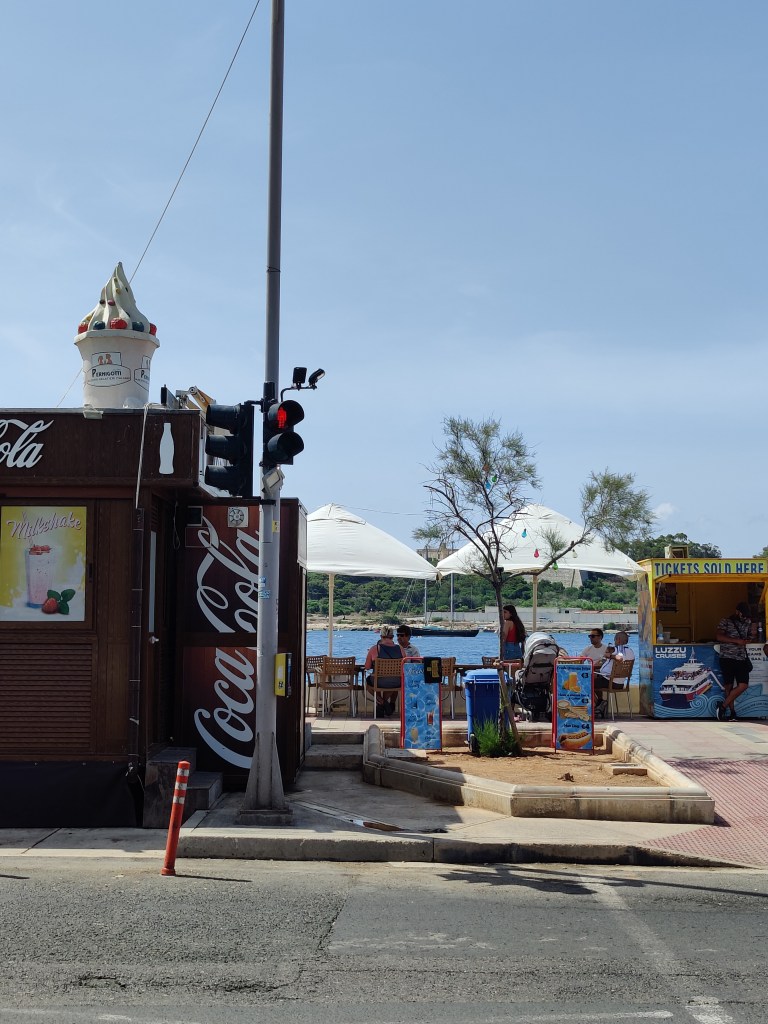
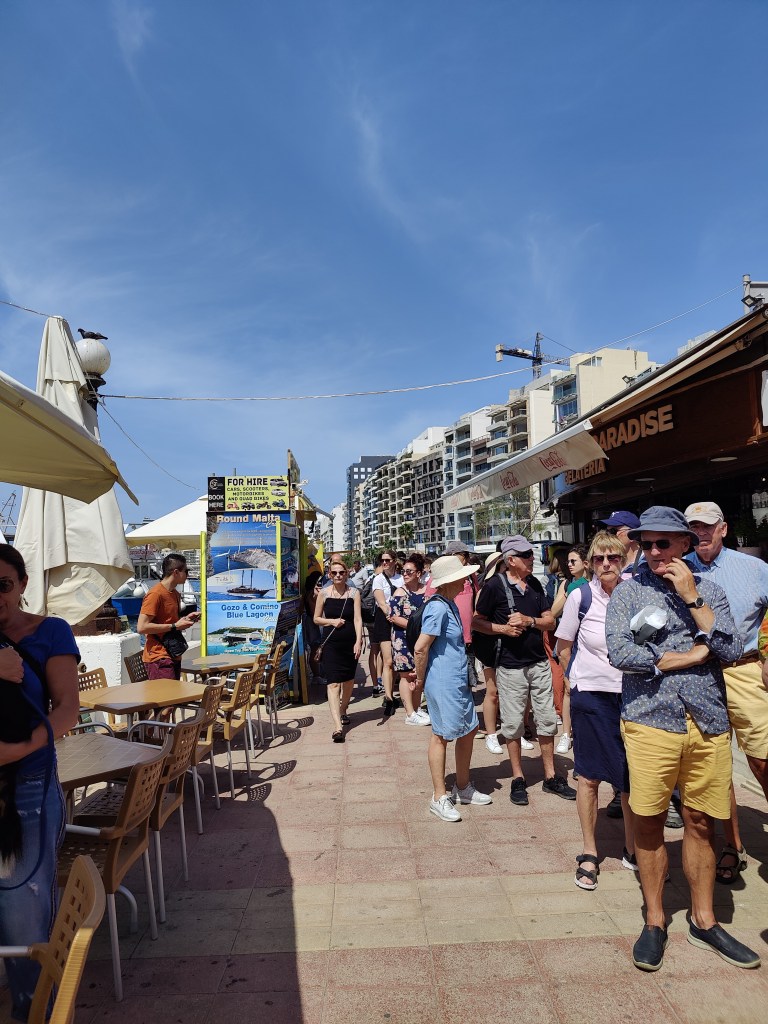
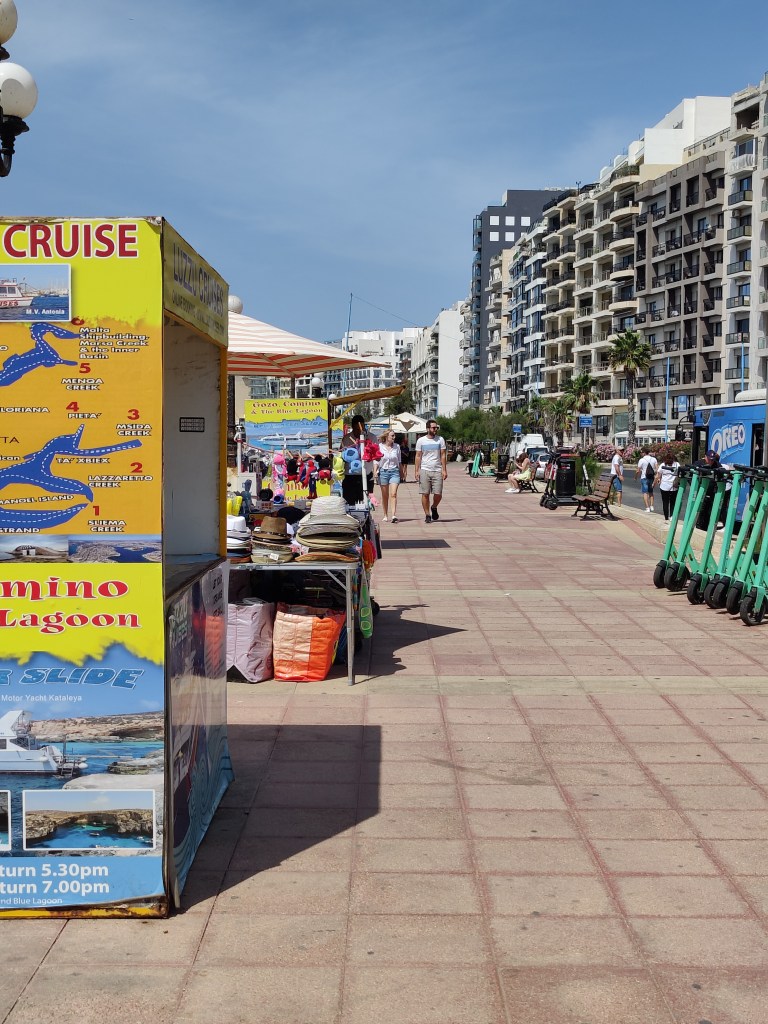
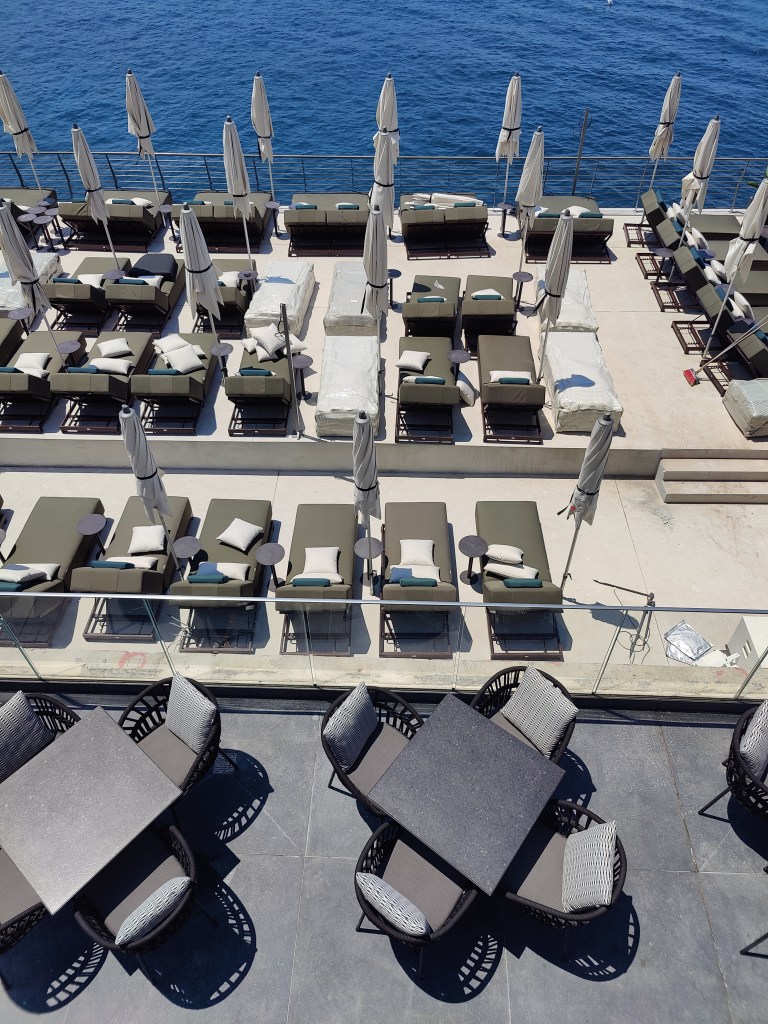
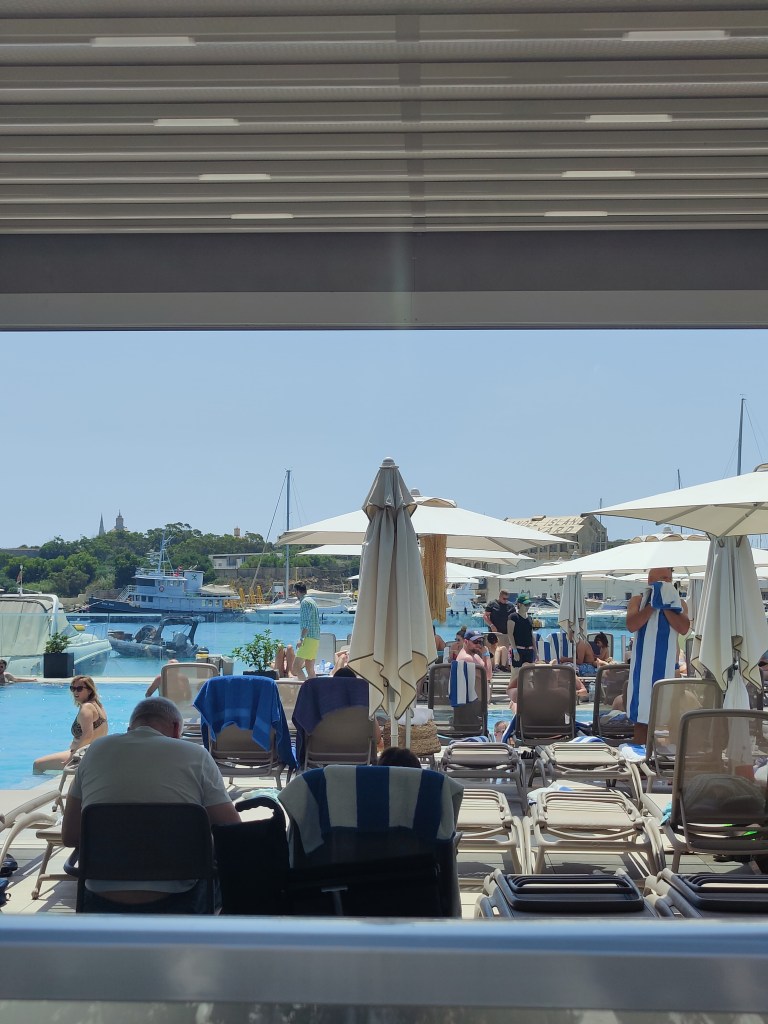
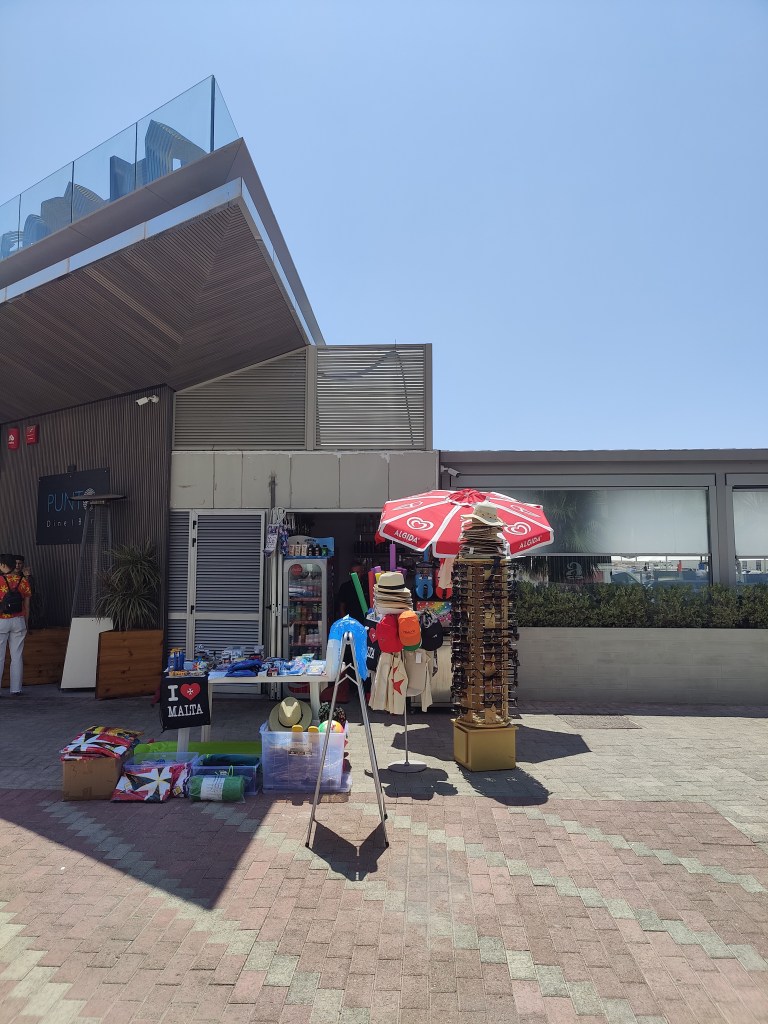
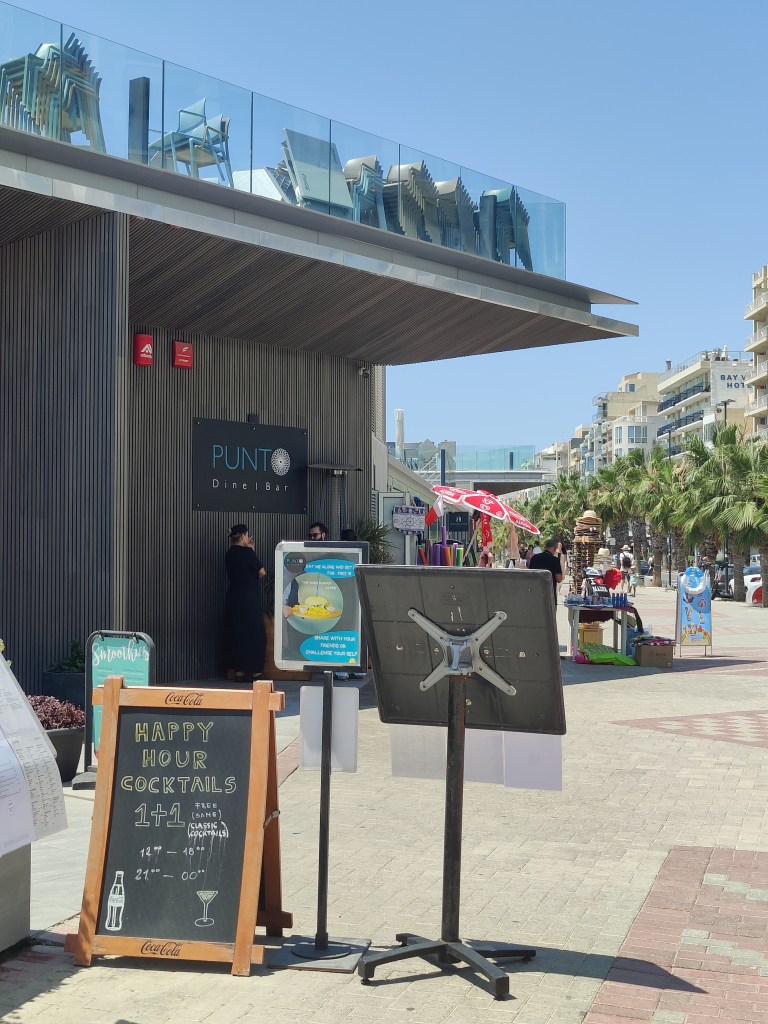
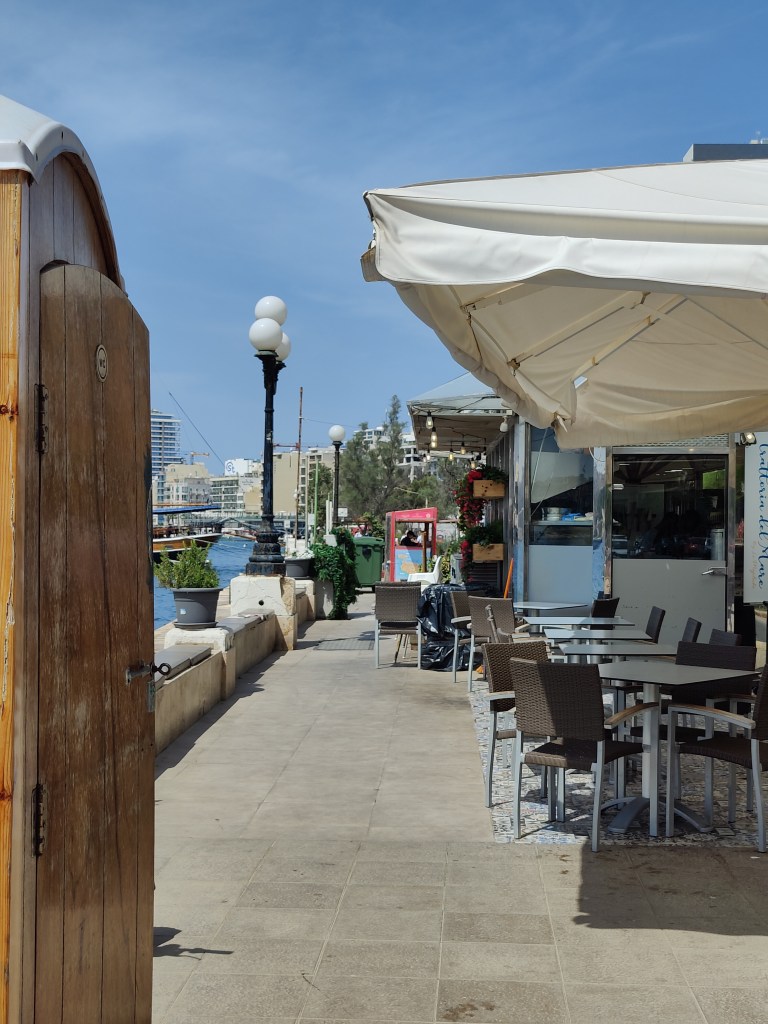
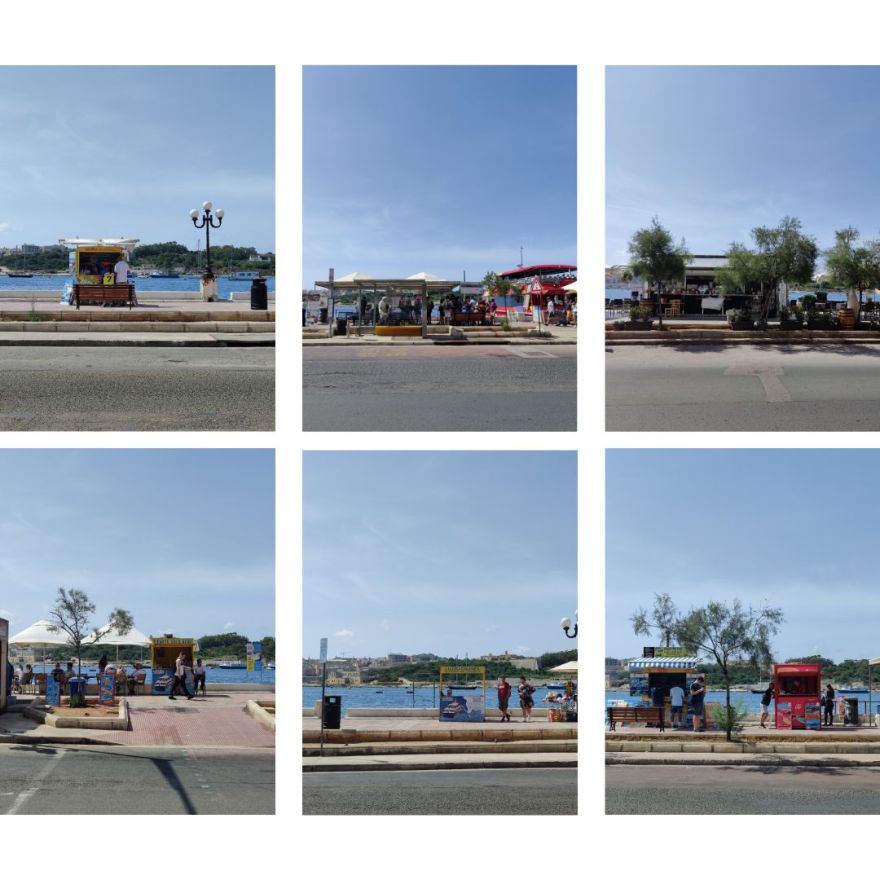
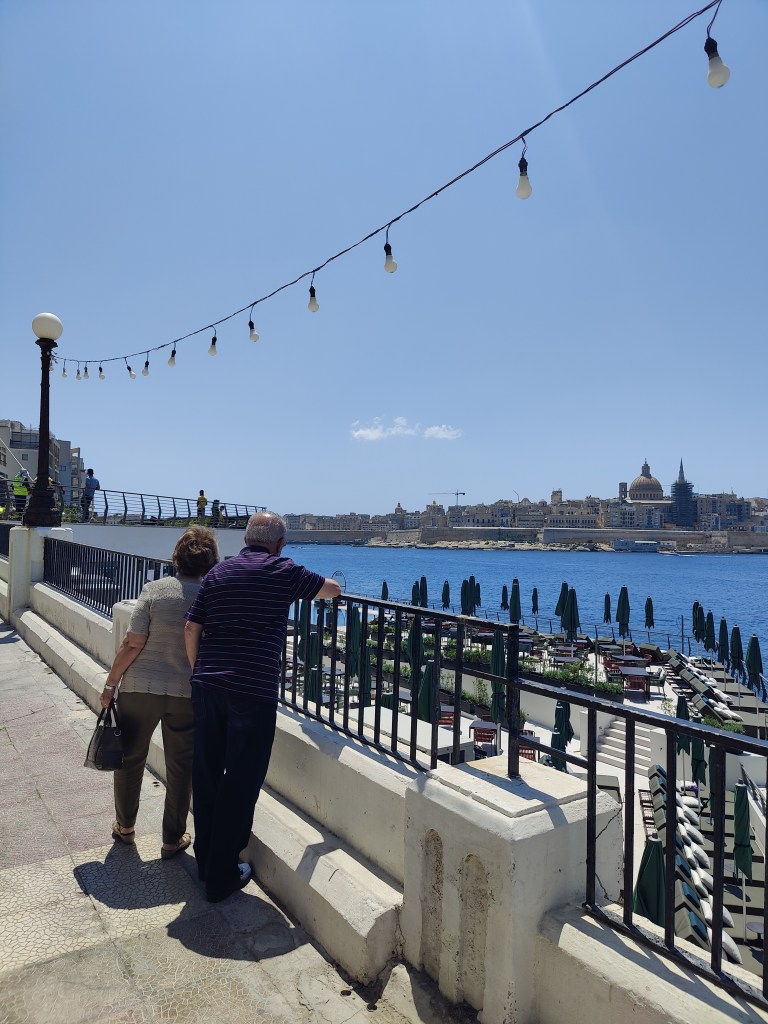
The self-referential machine is not constrained to the space of the hotel. External spaces free to the public are similarly mined and mobilised to partake in this process. Year after year shorelines become shorter as grey private lidos are cast over the public geology. Stacked one after the other, offering identical experiences of exclusive pool access and premium bars and restaurants, these typologies often spill over onto public beaches. Sunbed rental services, owned by the same lido operators target the throngs of public beach goers. An audience of sunbeds lined up row after row covering every particle of sand; it is as if even the theatre stage has been overrun by audience seating, where the audience itself becomes the spectacle to be consumed. The same can be said of the mushrooming kiosks along coastlines and in public spaces, selling beverages, food or even day trip experiences backdropped by posters of exotic palm trees and hollowed out pineapples, symbolic of an invented Mediterranean.
A sharp break of the industry’s momentum seemed impossible a few years ago, but with the travel bans and restrictions on social gathering witnessed at the turn of the decade, the spaces of tourist junk found a new challenge not so easily shrugged off. Interestingly, the pandemic did the reversal of the image machine: it territorialised (grounded) the image. The fear of contamination made all surroundings immediate and suspect – “am I seated too near that person?”, “are there too many people in here?”, “is that surface safe to touch?”. The imagined consequences of infection ripped through the thin fabric of the fantasy – hotel rooms for escapists transformed into temporary prison cells and kiosks for consumers perceived as crucibles of contagion. The pandemic plunged the landscape of tourist junk into an existential crisis. Its raison d’etre failing under the pressure that showed the image up for what it is – smoke and mirrors.
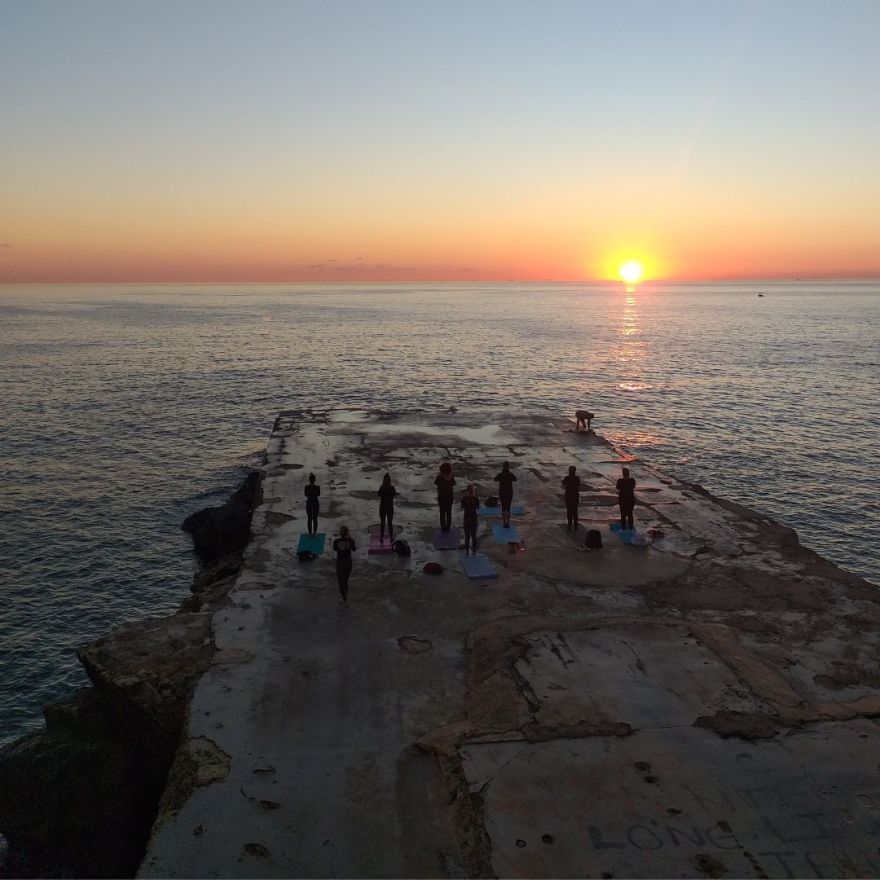
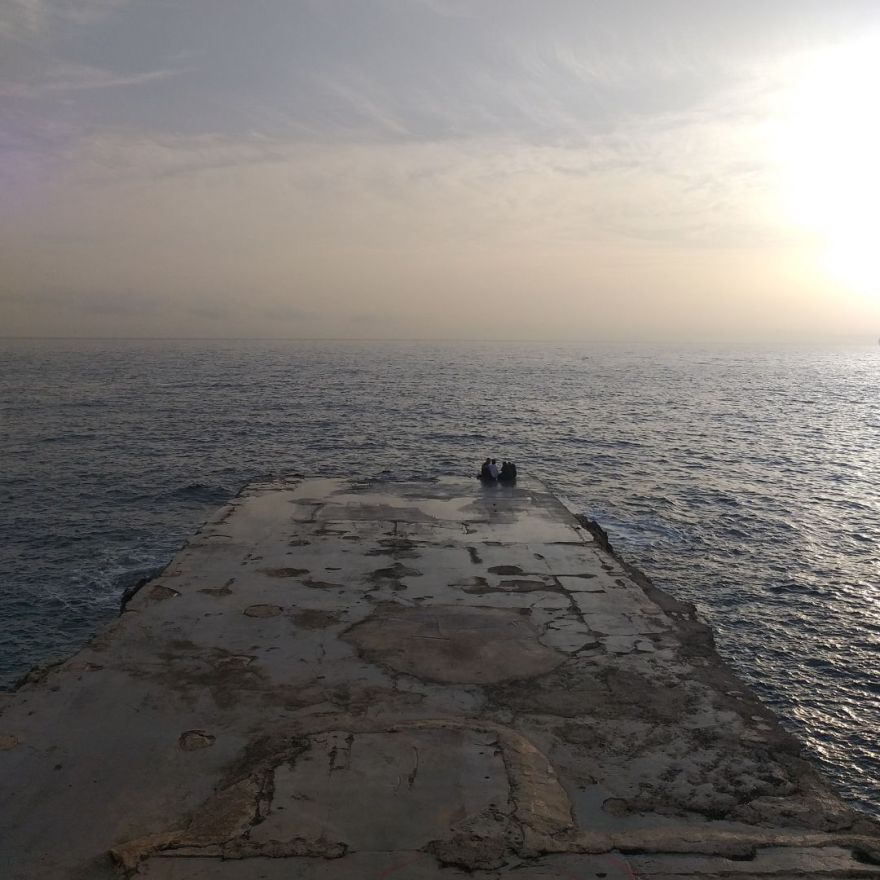
Three years on, the recovery of the image is negotiable, faced by the impending collapse of insatiable economic growth, a desperate shortage of labour and overwhelming population fatigue. Faced with new pressures, the whole landscape of tourist junk is held suspect by a collective eye that looks beyond the surface, only to find a dystopia that churns out shit. Welcome to the desert of the real.If indeed the anticipated economic meltdown comes to bear and with it a spanner in the gears of the image-churning machines, a chance for new narratives presents itself; ones which form stratifications of geology and mythology to challenge the abstracted and detached images of tourist junk. These new narratives are to be found in the ‘everyday’ – the intimate and unique memories of individuals in a particular grounded place. In essence, giving validation to the ‘small’ productive histories so as to challenge and replace the grander abstracted narratives6. It implies a turn towards attachment and rootedness, finding one’s place in the real, geological plain and associating memory and meaning to that plain. Perhaps we can one day look upon the landscape before us not as a site to be extracted but one to dwell in.
- The recent publication and project “The Palermo Atlas” captures the essence of the Mediterranean as a plateau of movement and exchange. OMA. (2018). Palermo Atlas : Commissioned by Manifesta 12 and published by Humboldt Books.
- Mitchell, W. J. T. (2002). Landscape and Power. (2nd ed.) : University of Chicago Press.
- Taussig, M. (2000). The Beach (A Fantasy). Critical Inquiry, 26(2), 249-278.
- Zukin (1995) Symbolic Economy
- Corinthia St. George Hotel’s tower: https://www.theweddingsite.com/corinthiastgeorges/9.jpg
- Chalet in Action, a project by Nidum, developed for the Schusev State Museum of Architecture in Moscow exhibition titled “Public Architecture – Future for Europe” hosted by the European Cultural Centre Russia from the 30th January – 10th May 2020.

 textcatalogue.com